Debar
Properties for sale and rent, plus guides about living in Debar. No live listings yet.
Overview
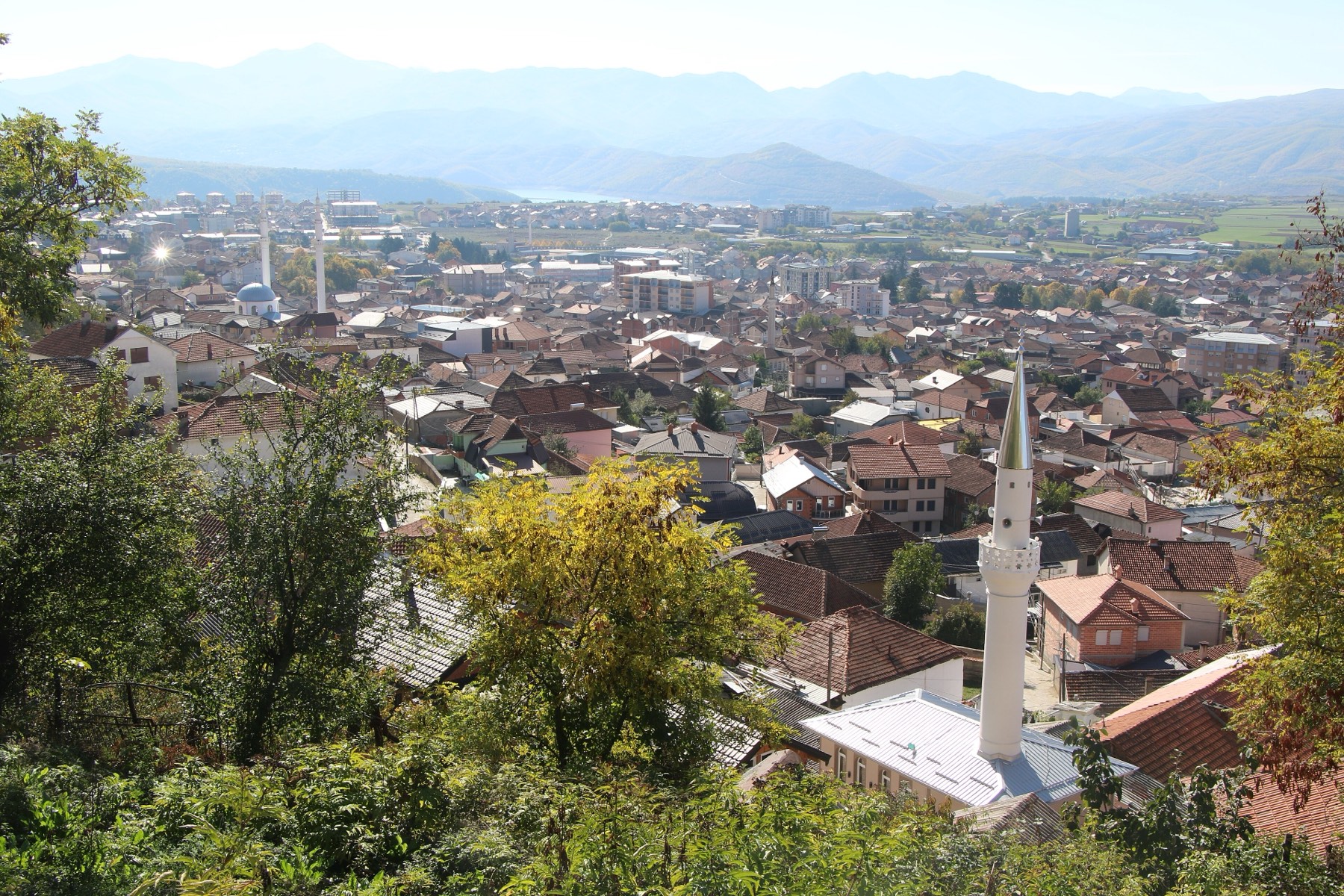
Debar is a town in the far west of North Macedonia, set in mountainous country close to the border with Albania, near the point where the Radika river joins the Black Drin. It lies on the north shore of Debar Lake, a reservoir on the Black Drin, in a landscape of high mountains and deep valleys, and it serves as a regional centre for its part of the west. The town has a largely Albanian-speaking population, and its everyday life, institutions and businesses reflect that.
Debar is best known as a spa town. The thermal baths at the nearby villages of Banjište and Kosovrasti, fed by warm mineral springs, have a long-established reputation for their waters and draw visitors for bathing and treatment, and they are central to the town's identity and economy. Alongside the spas, Debar carries a strong tradition of woodcarving and craftsmanship — its master carvers were known across the wider region for church iconostases — and the working of local alabaster is part of the same artisanal heritage.
The area and neighbourhoods
The centre of Debar has the square, shopping streets, market and cafés of a regional town, with the mosques and other buildings that reflect the make-up of its population, set against the backdrop of the surrounding mountains. Around the centre the town spreads into residential districts and out towards the lake and the villages of the surrounding country. The high, mountainous setting and the nearness of the water give the town its particular feel.
Just outside the town, at Banjište and Kosovrasti, lie the thermal baths for which Debar is known, where the warm mineral water is used in spa facilities set among greenery at the foot of the mountains. Below the town, Debar Lake spreads along the valley of the Black Drin, a long reservoir among steep, wooded slopes that offers fishing and quiet water and is one of the main features of the area. The surrounding mountains, including the high ground towards the Albanian border and the ranges of the Mavrovo area to the north, frame the whole district.
The wider area is one of mountains, river valleys and the lake, with scattered villages and a strong tradition of crafts. The woodcarving and alabaster work associated with Debar reflect a long artisanal culture, and the spas give the town a role in health and leisure tourism that is unusual for its size. The combination of the thermal baths, the lake, the mountains and the craft heritage gives Debar a distinctive character within the far west of the country.
Property market
Property in Debar runs from apartments in the centre and the surrounding blocks to family houses in the residential districts and the villages of the surrounding mountains and valleys, together with plots and land in this high western country. As a spa and regional town rather than a major resort, it offers a spread of stock grounded in local and regional demand, with the mountain and lakeside setting adding interest for some buyers.
Demand is shaped by the town's role as a regional centre and spa, by the visitors the thermal baths draw, and, as in much of the west, by strong links with a diaspora abroad, some of whom buy or build property as a base to return to. That connection is a real feature of the local market. As anywhere, buyers should check the condition and legal status of both older and newer buildings, confirm title and boundaries, and weigh a central apartment against a house in the quieter districts or villages, bearing in mind the mountain terrain and access.
Lifestyle and getting around
Daily life in Debar centres on the square, the market, the streets and the cafés, in the manner of a regional town, with the thermal baths at Banjište and Kosovrasti a notable part of local life and a draw for visitors. The lake offers fishing and quiet time by the water, the surrounding mountains give walking and cooler air, and the craft traditions of woodcarving and alabaster are part of the town's identity. It is a working town with a spa role rather than one organised mainly around mass tourism.
Debar is connected by road through the mountains, with routes leading north towards Mavrovo and Gostivar and on towards Tetovo and Skopje, and to the nearby Albanian border. The mountain setting means journeys can be winding, and the town feels more remote than the lowland centres, which is part of its character. For buyers, the appeal is a spa town in a striking mountain and lakeside setting near the Albanian border, with a strong local identity, a craft heritage and the practical services of a regional centre.
Debar will suit buyers drawn to a mountain and lakeside setting and the distinctive character of a spa town in the far west rather than a lowland or coastal one. Its strengths are the thermal baths, the lake and mountains, the craft traditions and its strong local and diaspora ties; in return, it is a relatively remote town whose market and services are those of a regional centre, with mountain terrain and access to take into account. For anyone whose priorities are scenery, spas and a strong sense of place, that combination is much of the attraction.